
Running Diesel at -40: Fuel Handling at Remote Mine and Camp Sites

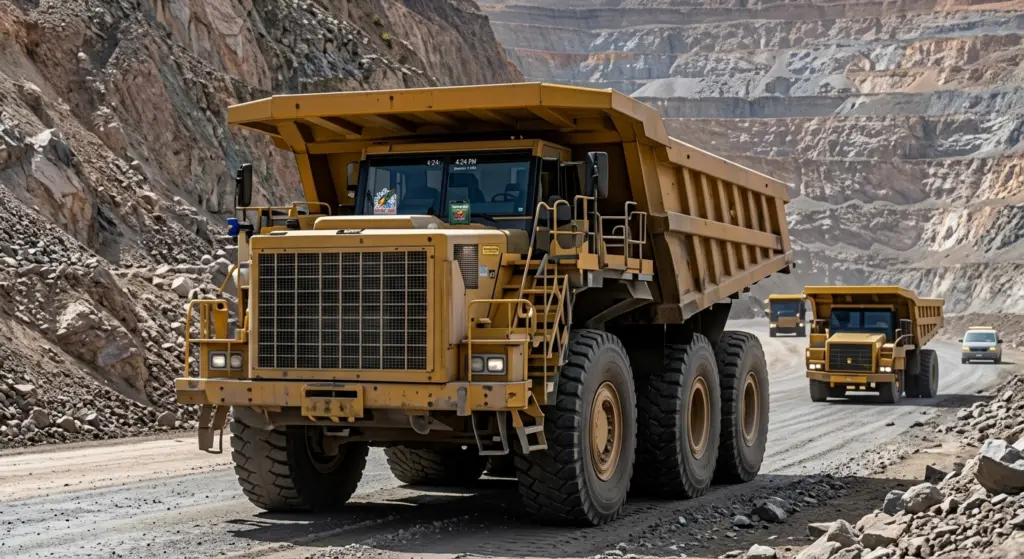
Two haul trucks on a gravel haul road at an open-pit mine

In town, a fuel problem in deep cold is a bad morning. At a remote mine or camp, it can shut down a shift, strand equipment and put people at risk. The next fuel truck might be days out, the nearest parts store hours away, and the road might not be open at all.

Running diesel at -40 comes down to planning and discipline. The fuel, the storage and the routines all have to be set up before the cold arrives, because there’s no easy way to fix them once it does.

Plan fuel supply around lead times

Remote sites can’t top up on short notice. Your fuel plan needs to account for:

  • Delivery lead times. Know how long an order takes to arrive in good weather and in bad.
  • Road and access windows. Winter roads, ice roads and seasonal access limit when you can receive fuel. Plan large fills while access is open.
  • Storage capacity. Size your on-site storage for the longest realistic gap between deliveries, plus a margin.
  • Consumption in the cold. Heaters, longer warm-ups and more idling push winter use up. Base estimates on your own past winters, not summer numbers.

Get the right fuel on site before freeze-up

Canadian diesel is made to CAN/CGSB-3.517, which requires the fuel’s low-temperature properties to suit the location and time of year it’s sold for. The standard describes two types. Type B is the general-purpose grade. Type A is for conditions that need better low-temperature properties than Type B provides.

For a remote northern site, that means:

  1. Tell your supplier where the fuel is going and when it will be used. Fuel for a site hundreds of kilometres north should be rated for that site, not for the terminal it ships from.
  2. Ask for the low-temperature rating in writing. Ask whether it’s rated by cloud point or by the low temperature flow test (LTFT), and what the result is for your delivery.
  3. Run fall fuel down before winter fuel arrives. A tank still half full of fall fuel dilutes the winter delivery.
  4. Don’t blend on site. Never add gasoline or other fuels to diesel to thin it. If you need a colder fuel, your supplier can blend it to spec.

Keep in mind that design temperatures are based on typical cold for an area. A long, deep cold snap can go below what a given blend was designed for, so your storage and handling habits still matter.

Storage: keep fuel clean, dry and as warm as practical

Your storage setup does most of the work at a cold site.

  • Heated or insulated storage. Where practical, heated tanks, insulated tanks or heated fuel buildings keep fuel above its cloud point and make dispensing easier. Keep the day tank warm even if bulk storage isn’t.
  • Double-wall or contained tanks. Follow your site’s environmental procedures and provincial rules for containment and siting.
  • Tight vents and caps. Every opening lets in moist air. Check seals and keep vents screened and clear of snow and frost.
  • Labelled tanks. Mark each tank with the grade and the date it was filled.

Water is the other cold-weather enemy

Wax gets the attention, but water causes plenty of winter shutdowns. In deep cold, free water in a tank, filter bowl or line turns to ice and blocks flow.

  • Drain tank bottoms on a schedule. Water settles to the lowest point. Drain it before it freezes there.
  • Drain water separators daily. On every unit, as part of the walk-around.
  • Sample and look. Pull a sample from the tank bottom into a clear jar. Clean fuel looks clear and bright. Keep in mind that cold fuel below its cloud point will look hazy from wax, so let the sample warm before judging it for water.
  • Call in help for heavy contamination. If a tank shows lots of water or sludge, bring in a fuel-polishing or tank-cleaning contractor rather than pumping it into equipment.

Filters: expect to use more

A remote site in winter goes through fuel filters. Plan for it.

  • Start the season with fresh fuel filters on every unit, following your OEM manual.
  • Stock spare filters on site for every make and model you run, plus dispenser filters.
  • Check that fuel heaters and heated filter housings work before the cold sets in.
  • Keep a record of filter changes. A unit that plugs filters more often than others is telling you something about its fuel or its tank.

Equipment at -40

  • Plug-ins and heaters. Block heaters, coolant heaters, oil pan heaters and battery warmers make starting realistic. Plan power supply for all of them at once.
  • Shelter. Park out of the wind where you can. Wind strips heat from a parked unit fast.
  • Idle with a plan. At remote sites, keeping engines running is sometimes the safest option. Long idle at low load has its own costs, though, so use heaters, high idle and shutdown timers as your OEM allows.
  • Hoses and seals. Fuel hoses, nozzles and seals stiffen and crack in deep cold. Inspect them often and keep spares.

DEF at a cold site

DEF freezes at about -11 °C, so at -40 it will freeze anywhere it isn’t heated. Freezing doesn’t ruin it. SCR systems are designed to thaw DEF once the engine is running. Store DEF in a heated space if you can, keep containers sealed and dedicated, and don’t fill tanks to the brim, since DEF expands as it freezes. Nothing ever gets added to the DEF tank. It takes DEF only.

Fuelling safely in extreme cold

Fuel handling at -40 has hazards people don’t see in town.

  • Cold contact. Fuel and metal at that temperature can freeze skin quickly. Wear insulated, fuel-resistant gloves and eye protection when fuelling.
  • Static. Cold, dry air makes static build-up more likely. Follow bonding and grounding procedures on every transfer.
  • Spills. Cold fuel is harder to clean up. Keep spill kits stocked and accessible, not buried in snow.
  • Visibility. Short days and ice fog make fuel bays harder to see. Keep them lit and marked.

Build the routine before the cold

At a remote site, a written fuel plan is worth more than any single piece of equipment. Include supply dates, fuel specs, storage checks, draining schedules, filter stock and fuelling procedures. Assign an owner to each item and review it before freeze-up.

About Brilliant Fuel Labs

Brilliant Fuel Labs is based in Edmonton, Alberta. For fuel specifications, your supplier is the source. For equipment procedures, go by your OEM manual.

If a fuel treatment is part of your routine, follow its label directions. Rocket Juice Diesel Enhancer, a fuel treatment built for heavy-duty diesel fleets, comes in 1 L jugs, 19 L pails, 205 L barrels and 1,000 L totes. Add it before you fill your diesel tank.

Questions about your fleet’s winter fuel plan? Talk to Brilliant Fuel Labs

General information only. Always follow your engine manufacturer’s and fuel supplier’s guidance.

Have a question about your diesel fleet?

Talk to the Brilliant Fuel Labs team about fuel handling, winter prep and Rocket Juice Diesel Enhancer for your trucks and equipment.

More from the blog