

Fleet Maintenance & Uptime
Winter Idling and Wet Stacking: What Long Idle Hours Do to a Diesel
Idling feels harmless on a cold morning, but a diesel at low load runs cool and leaves fuel and soot where they
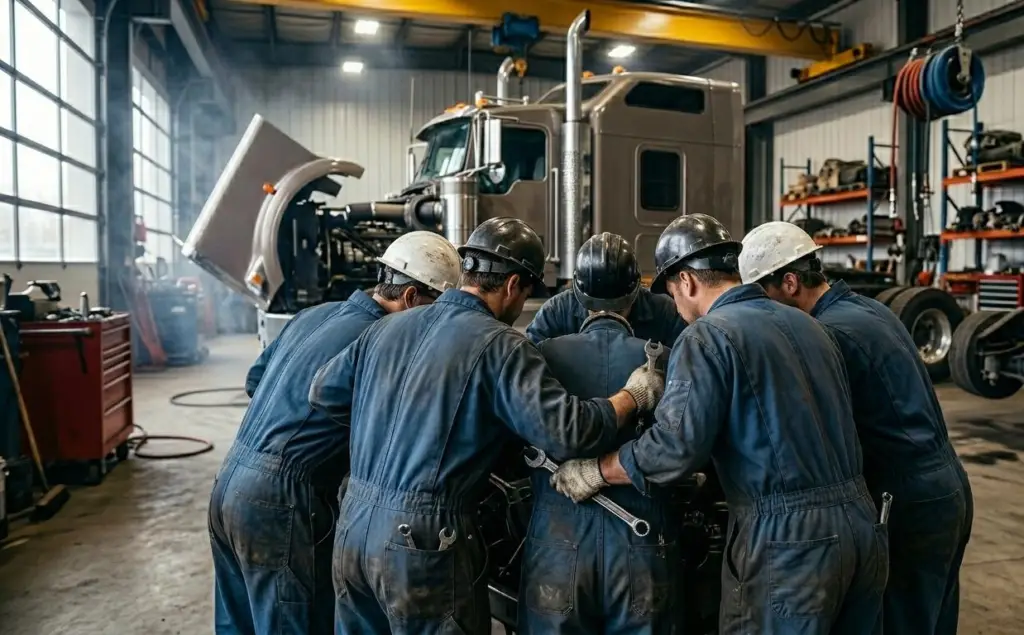
Every diesel makes some soot. That’s a normal part of combustion, and modern engines are built to handle it. The trouble starts when soot and carbon build up faster than the engine and aftertreatment can deal with them. Then you see it in injector deposits, sticky valves, fouled EGR components and a DPF that asks for attention too often.
Carbon buildup is rarely random. It usually traces back to a handful of causes, most of which you can see in how a unit is run and maintained.
Soot forms when fuel doesn’t burn completely. Inside the cylinder, fuel is sprayed in as a fine mist and mixed with hot, compressed air. Where there’s plenty of air and heat, fuel burns cleanly. Where there’s too little air, too little heat or poorly atomized fuel, some of it turns to soot instead.
Anything that upsets that balance of fuel, air and heat can increase soot. That soot ends up in the exhaust, in the oil and, in some cases, baked onto engine parts as carbon deposits.
A diesel under steady load runs hot. Cylinder temperatures are high and combustion is thorough. At light load, the engine burns less fuel and makes less heat, so combustion is less complete. Fuel can also land on cooler cylinder walls and piston surfaces instead of burning in the air.
Common low-load situations:
Over time, low load can leave carbon on injector tips, valves and piston crowns, and contribute to fuel dilution of the engine oil.
An engine that is started, run briefly and shut down may never reach full operating temperature. Cold engines burn fuel less completely, and a cold exhaust gives the DPF little chance to clean itself passively. In an Alberta winter, even a moderate trip can be a cold trip.
Short-trip patterns are common with:
Fuel injectors on modern diesels work at very high pressures with very tight clearances. That precision is why small deposits matter.
Injector wear adds to it. A worn nozzle may dribble fuel instead of producing a clean spray, which increases soot. Water and fine dirt in fuel speed up wear, which is one reason clean fuel storage matters.
Combustion needs enough air. When the engine can’t get it, the mix runs rich and soot goes up.
Many engines recirculate some exhaust gas back into the intake to lower combustion temperatures and nitrogen oxides. That exhaust carries soot. When the system isn’t working correctly, carbon builds up in the EGR valve, cooler and intake. A sticking EGR valve can also upset the air-fuel balance and increase soot further.
Oil that gets into the combustion chamber, past worn rings, valve seals or a leaking turbo seal, burns poorly. It adds to carbon deposits and adds ash, which the DPF can’t burn off. Using the oil specification in your OEM manual matters because modern diesel oils are formulated for engines with aftertreatment.
Fuel that meets the Canadian standard, CAN/CGSB-3.517, is the starting point. After it’s delivered, keeping it clean is up to you. Water and dirt from poor storage can damage injectors and upset combustion. Buy from a reputable supplier, and keep your tanks, filters and water separators in good shape.
No single sign proves carbon buildup. Together, they tell you it’s time for a closer look.
Most carbon problems are easier to manage early than to fix late.
Carbon buildup is usually a symptom, not the root problem. Look at duty cycle, air supply, EGR, oil and fuel together, and compare units doing similar work. When one unit stands out, find out why before it becomes a repair bill.
Brilliant Fuel Labs is based in Edmonton, Alberta. For diagnostics and service procedures, your OEM manual and your dealer are the right references.
Questions about your fleet’s winter fuel plan? Talk to Brilliant Fuel Labs
General information only. Always follow your engine manufacturer’s and fuel supplier’s guidance.
Talk to the Brilliant Fuel Labs team about fuel handling, winter prep and Rocket Juice Diesel Enhancer for your trucks and equipment.
Idling feels harmless on a cold morning, but a diesel at low load runs cool and leaves fuel and soot where they